Info from the Crown Hill Arboretum
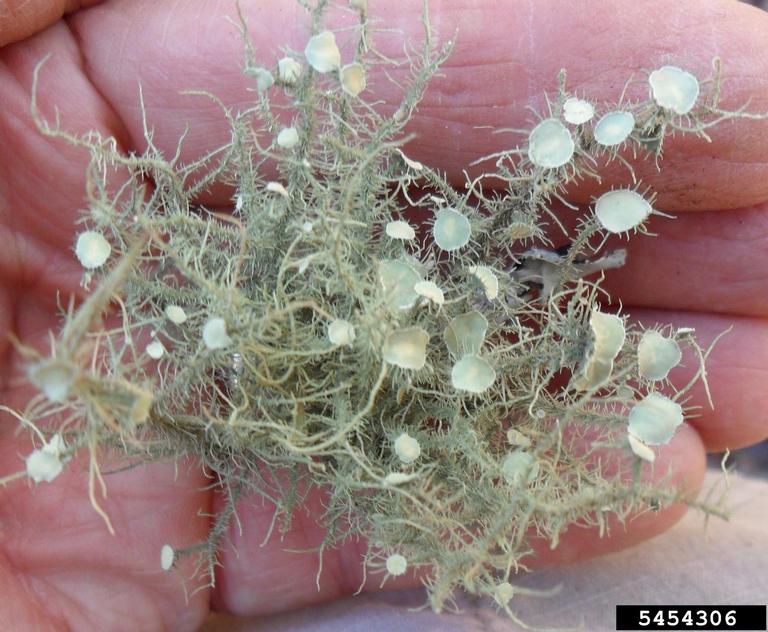
Lichen is a curious organism with ties to many partial truths and misunderstandings. As an organism, it is an interesting representation of interconnectedness, interdependence, beauty, and the “the divine geometry.” It is also tied to mythology, wayfinding and often seen in modern landscapes as a detracting or detrimental or diminishing factor. But in any landscape that feels wild, feels natural, or smells like “outside,” you will find it.
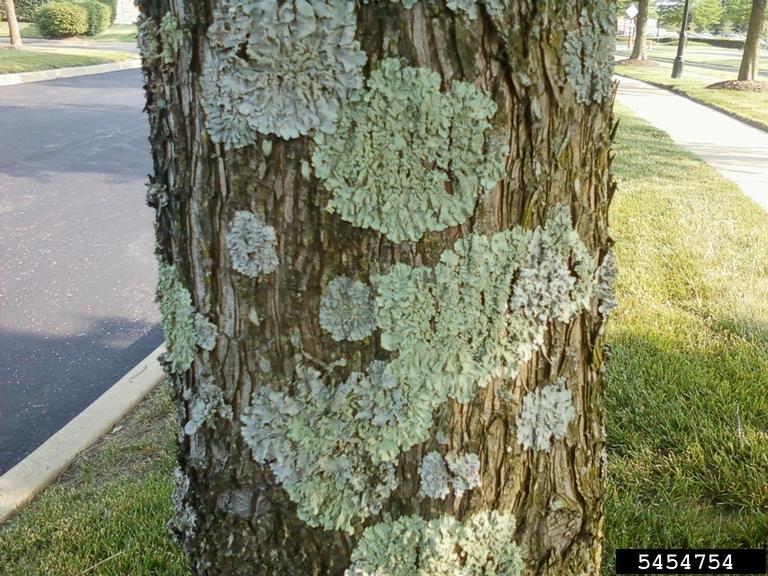
By description a lichen is “a composite organism that results from a symbiotic partnership between a fungus and one or more algae or cyanobacteria.” This dual organism gets its food from the alga, which performs photosynthesis, while the fungus provides a habitat and moisture. Lichens are known for being able to survive in harsh environments like deserts and the Arctic. They grow on surfaces like rocks (they really like our tombstones), trees, and walls. And while yes, the presence of heavily formed lichen can be an indicator of a tree that is failing, it can also be an indicator that the environment around you is perfect for the lichen.
The goal, like in all things, is balance. Lichen is perfectly normal and fine on trees, stones, natural areas and any surface where they are not causing a known problem or visual impediment.
As you tour around Crown Hill Cemetery and Arboretum, if you find yourself lost, do not use the lichen’s location to navigate. The lore that lichens and moss grow on the north side of a tree, is a falsehood! But we can leave you with an approved Lichen Dad Joke: Why was the dog walker around the arboretum so much? Because they were lichen it a lot!