James Whitcomb Riley
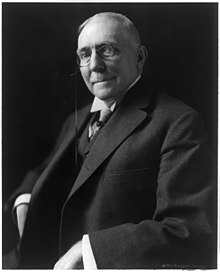
We finish the year with the “Hoosier Poet,” James Whitcomb Riley. He left an indelible mark amid the Golden Age of Indiana Literature, not only on the city of Indianapolis, the State, and country, but also Crown Hill Cemetery.
Renowned largely for his children’s poems, Riley’s most famous works — “Little Orphant Annie” and “The Raggedy Man” — served as the inspiration behind the Broadway musical Annie and the Raggedy Ann books and dolls.
Born in Greenfield, Indiana, on October 7, 1849, Riley wrote much of his poetry at his home on West Main Street before moving to Indianapolis. In 1874, he began working as an associate editor at the Greenfield News, and a year later he published a poem in Hearth and Home magazine. After a stint at his father’s law office, Riley returned to the newspaper business in 1877, when he became an assistant editor at the Anderson Democrat. Two years later, he landed a position with the Indianapolis Journal, where he wrote book reviews, humorous editorials, and poetry.
One of the first local newspapers to take an interest in Riley’s poetry was The Indianapolis Journal. His success almost stopped when he tried to pass off one of his poems as a long-long piece by Edgar Allan Poe. But things picked back up for him when he joined a traveling lecture circuit and started conducting poetry readings. He performed nationwide and for each succeeding president for over 25 years. Riley entranced audiences with Hoosier vernacular and imagery.
By the 1890s, Riley grew both critically and commercially successful. After he published his best-selling Rhymes of Childhood, people started calling him “The Children’s Poet.” Although he received many professional offers to move outside of Indiana, he stayed close to home.
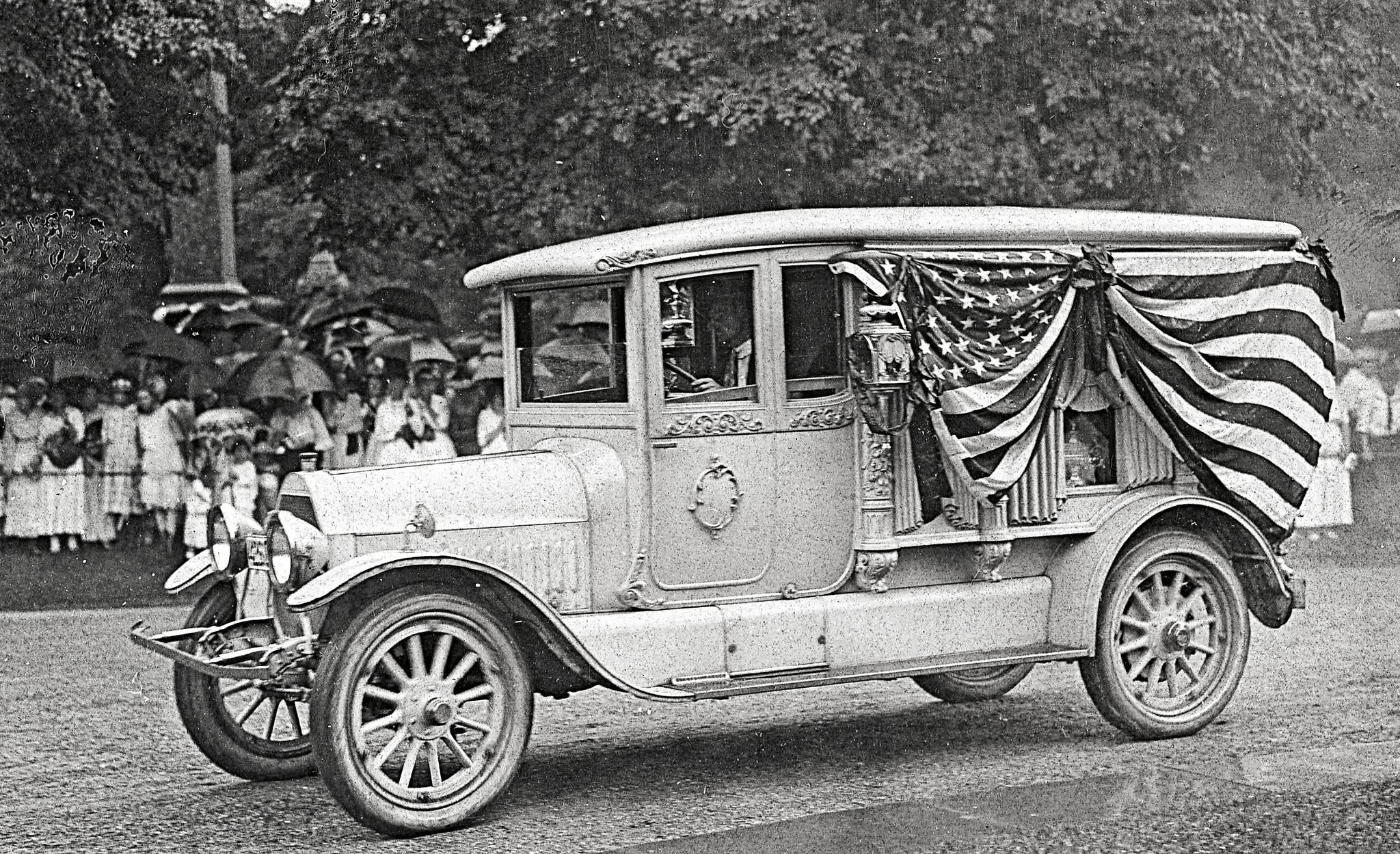
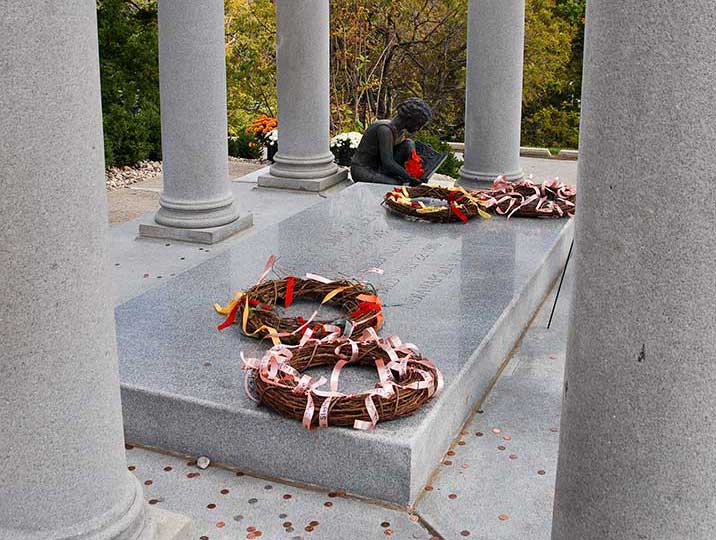
When he died in 1916, he lay in state at the Indiana Statehouse, where more than 35,000 people came to pay their respects. After his funeral, he remained in the Gothic Vault (known today as the Gothic Chapel) for over a year as his family determined where his final resting place should be — Indianapolis or his childhood town of Greenfield. After Crown Hill Cemetery offered the “Crown” to the family, they decided on Indianapolis. Additional time then was needed to build his monument and he was interred on the “Crown” in October of 1917.